Abrex 400 Plate: High-Performance Wear Resistant Steel for Heavy-Duty Industries
Abrex 400 Plate Steel Plate is designed for industrial equipment exposed to continuous abrasion, impact, and heavy material handling. With a nominal hardness level of around 400 HB, this type of abrasion-resistant steel is commonly selected for components that need better resistance to surface wear than conventional structural steel. It is widely considered for mining, quarrying, construction, cement, recycling, and material-handling equipment.
For procurement managers looking for dependable Abrex Wear Resistant Steel Plates, the selection process involves more than simply checking hardness. Plate thickness, dimensions, material certification, surface condition, fabrication requirements, availability, and delivery capability can all affect the suitability of the material. For projects across Europe, the Gulf, and the wider Middle East, these factors are particularly important when sourcing steel for critical equipment.
Abrex 400 Plate can help extend the working life of equipment exposed to abrasive materials such as rock, minerals, aggregates, coal, scrap, and other bulk products. When correctly specified for the operating environment, it can reduce frequent replacement of liners and wear components while supporting more reliable industrial operation.
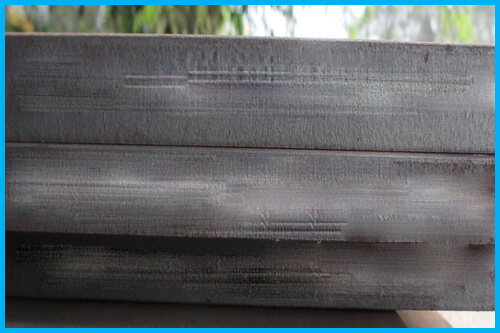
What is Abrex 400 Plate?
Abrex 400 Plate is an abrasion-resistant steel plate associated with a nominal Brinell hardness of approximately 400 HB. The grade is intended for applications where components are subjected to sliding abrasion, impact, and repeated contact with hard materials.
Unlike ordinary mild steel, which can experience relatively rapid surface deterioration under severe abrasive conditions, a 400 HB-class wear-resistant plate provides a harder working surface. This makes it suitable for fabricated components that need to withstand demanding service conditions.
Common applications include:
- Mining machinery and equipment
- Quarrying equipment
- Dump truck bodies
- Hoppers and bins
- Chute liners
- Conveyor components
- Crusher and screening equipment
- Excavator and loader components
- Recycling machinery
- Material-handling equipment
- Industrial wear liners
The actual performance depends on several factors, including abrasive material, impact energy, operating temperature, plate thickness, equipment design, and fabrication practices. Buyers should therefore select the material based on the complete operating environment rather than hardness alone.
Common International Standards Used Alongside Abrex 400 Plate
Abrex is a commercial product designation, so buyers should not automatically assume that it is identical to a particular ASTM, EN, DIN, or JIS grade. The exact specification should be confirmed through the applicable technical documentation and material certificate supplied with the plate.
European procurement can involve standards such as EN 10025-1 for general technical delivery conditions of hot-rolled structural steel products. EN 10051 may also be relevant for dimensional tolerances of continuously hot-rolled plate and sheet products.
However, these standards should not be treated as automatic equivalents for an abrasion-resistant 400 HB plate. Dedicated wear-resistant steel specifications may apply depending on the manufacturer and material being supplied.
ASTM, ASME, DIN, DIN EN, JIS, ISO, and UNS references should only be included when they genuinely apply to the material, testing requirement, or documentation requested by the buyer. Procurement teams should always compare the manufacturer's technical datasheet and mill test certificate with their project specification before approving an equivalent grade.
Why European Buyers Choose Abrex 400 Plate
European industrial operations often place strong emphasis on equipment reliability, service life, traceability, and predictable maintenance requirements. In applications where abrasive materials constantly contact steel surfaces, selecting an appropriate wear-resistant plate can have a direct effect on component replacement intervals.
Abrex 400 Plate can be considered where a combination of hardness, strength, and practical fabrication characteristics is required. It is particularly useful for equipment exposed to moderate-to-severe abrasion.
For mining and quarrying machinery, wear plates can be installed in areas where rocks and minerals repeatedly strike or slide against steel surfaces. Chutes, hoppers, buckets, dump bodies, and screening equipment are typical examples.
The same principle applies to cement and aggregate plants throughout Europe and the Middle East. Equipment handling limestone, clinker, sand, gravel, and other abrasive materials can experience significant wear over time. Selecting a suitable abrasion-resistant grade can help reduce unplanned maintenance.
Finding Reliable Abrex 400 Plate Suppliers
Finding a dependable Abrex 400 Plate Sheets Supplier requires careful attention to both technical and commercial details. A supplier should be able to provide the required plate dimensions, thicknesses, documentation, and delivery arrangements according to the project's needs.
International buyers should look for suppliers capable of supporting requirements such as cutting-to-size, material marking, heat-number traceability, inspection documents, packing, and export logistics.
A reliable supplier should also provide clear information about the actual product specification. Buyers should avoid selecting material based solely on a grade name or claimed equivalent. The chemical composition, mechanical properties, hardness, testing requirements, and certificate details should be reviewed before the purchase.
For customers sourcing from India, working with an Authorised Distributor Of Abrex 400 Plate In India can provide a practical route for obtaining the required material while maintaining focus on product documentation, availability, and project requirements.
What Buyers Usually Check Before Ordering
Industrial procurement teams generally review several important factors before placing an order for abrasion-resistant steel.
Hardness and mechanical properties:
The specified hardness range is one of the primary factors because it provides an indication of the plate's resistance to abrasive wear. Mechanical properties should also be checked against the applicable specification.
Plate thickness and dimensions:
Thickness, width, and length must match the equipment design or fabrication requirement. Larger plates may be preferred when components need to be cut from a single sheet.
Material certification:
Buyers should request appropriate material certificates showing heat number, chemical composition, mechanical properties, hardness, and other required inspection information.
Fabrication requirements:
Cutting, drilling, bending, and welding procedures should be selected according to the actual material grade and thickness. Welding parameters may need additional control compared with ordinary structural steel.
Surface condition:
The buyer should confirm the expected surface condition and whether additional preparation is required before fabrication or installation.
Packing and transportation:
For European and Middle Eastern deliveries, proper marking, packing, shipping documentation, and logistics planning are important parts of the purchasing process.
Global Demand for Abrex 400 Plate
Demand for abrasion-resistant steel is closely connected with industries that handle hard and abrasive materials. Mining, quarrying, construction, cement production, recycling, material handling, and heavy transportation all require equipment capable of operating under demanding conditions.
Across the Gulf and Middle East, industries in Saudi Arabia, the UAE, Qatar, Oman, Kuwait, and Bahrain use heavy machinery and material-processing systems in construction, mining, quarrying, cement, and infrastructure projects. These operating environments create continued demand for durable wear-resistant components.
European markets also have extensive applications for abrasion-resistant steel. Germany, France, Italy, Spain, Belgium, the Netherlands, and Poland have industrial sectors involving mining equipment, recycling machinery, construction equipment, bulk-material handling, and heavy engineering.
For international buyers, the purchasing decision increasingly focuses on total service life rather than the initial material price. A properly selected wear-resistant plate can potentially reduce replacement frequency and maintenance interruptions when used within its intended operating conditions.
Looking for Abrex 400 Plate?
If you are sourcing Abrex 400 Plate Wear Resistance Plates In India for projects serving Europe, the Gulf, or the Middle East, Vandan Steel & Engg. Co. can assist with sourcing requirements, available dimensions, material documentation, and export-oriented supply.
Whether the requirement involves mining equipment, dump truck liners, hoppers, chutes, crushers, conveyors, or other abrasive-service components, buyers should provide the required thickness, width, length, quantity, destination, and certification requirements when requesting a quotation.
Vandan Steel & Engg. Co. focuses on supplying industrial steel products according to project-specific requirements, helping procurement teams evaluate material suitability, documentation, and delivery requirements before ordering.